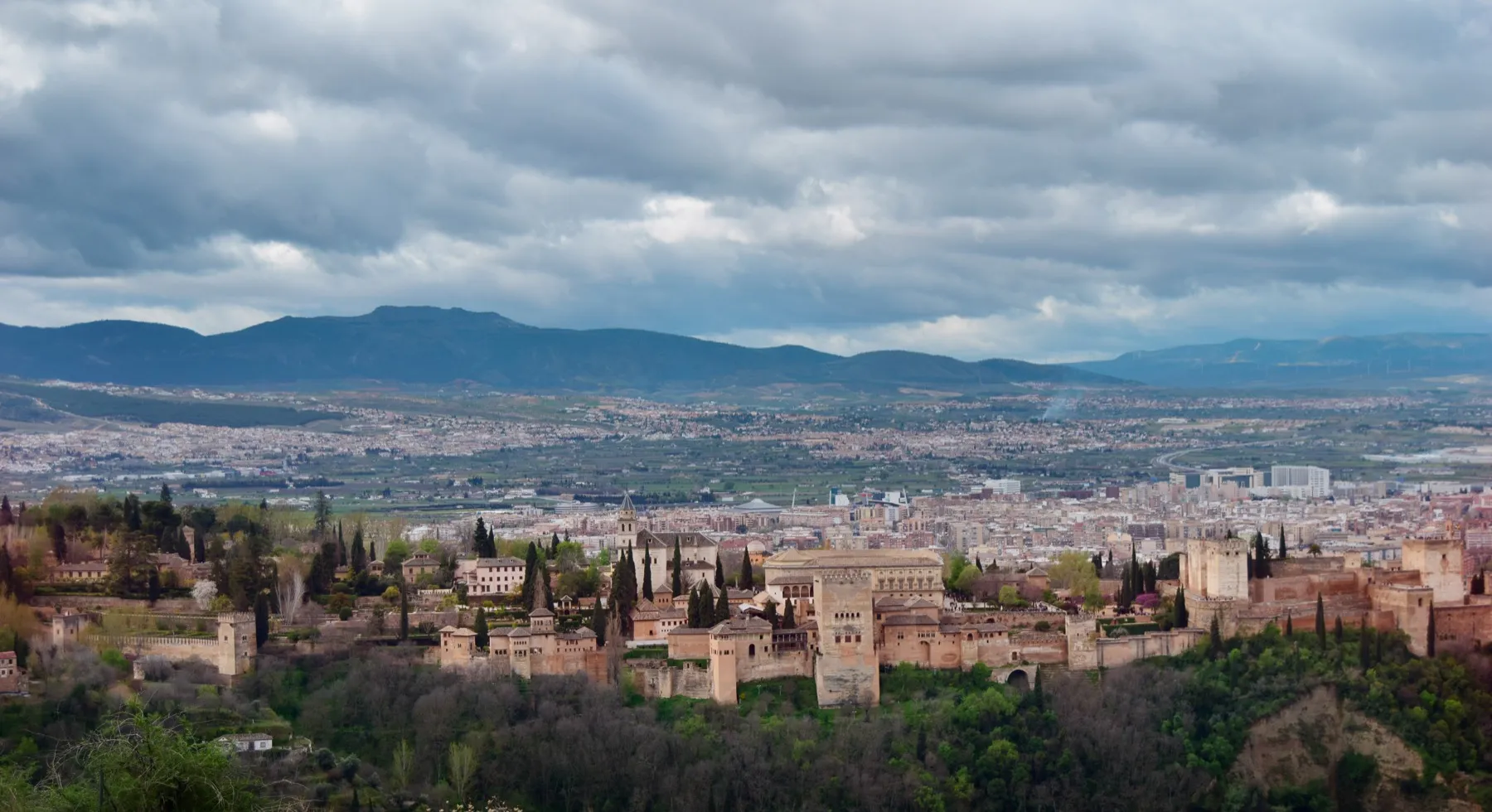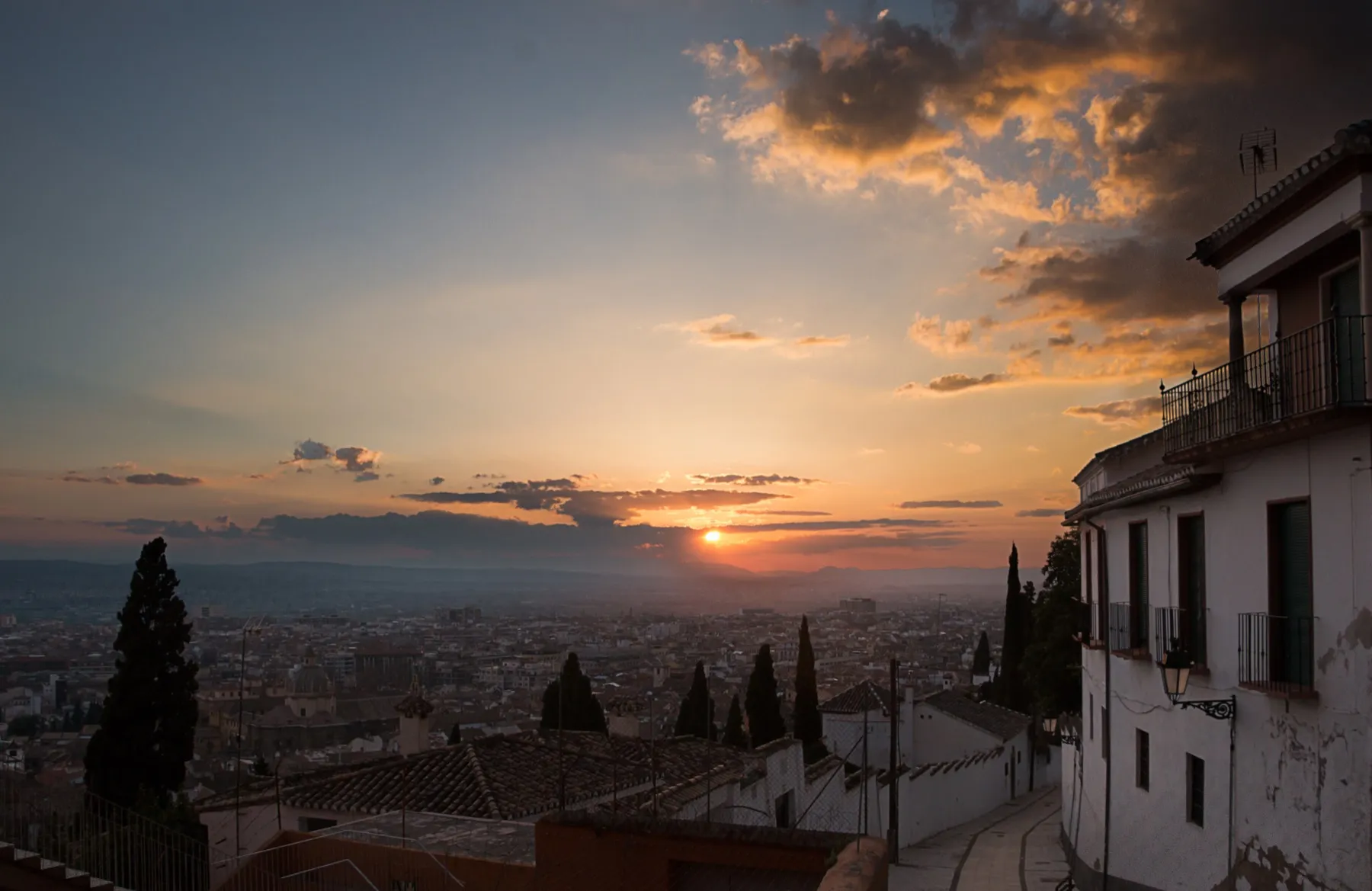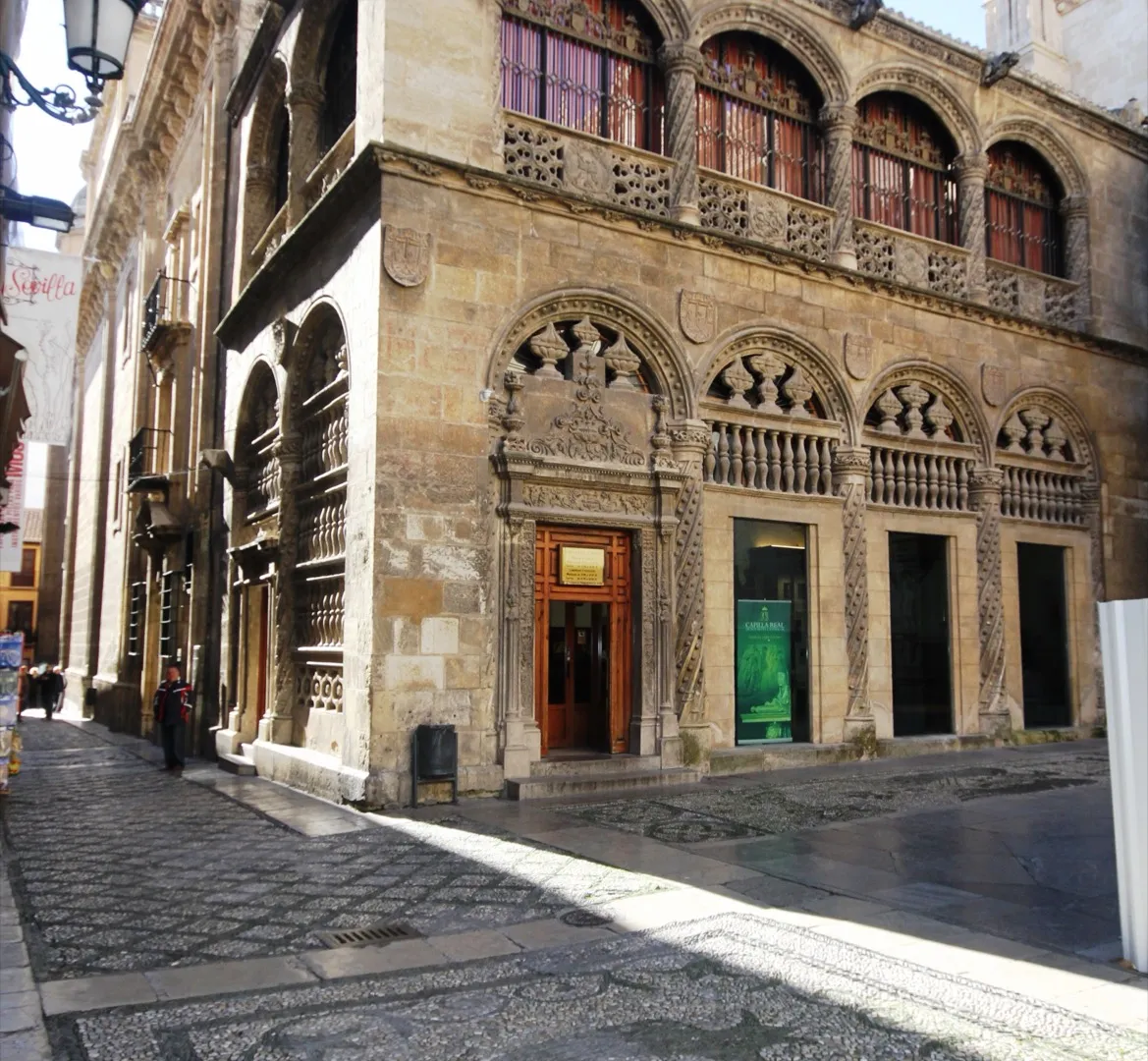
Description
Three buildings within 200 meters of each other that tell the story of Granada from 1492 to 1521: the Nasrid caravanserai the Catholic Monarchs inherited and preserved, the Islamic university they turned into City Hall, and the chapel Isabel founded weeks before dying and Fernando never saw finished.
On January 2, 1492, Fernando and Isabel entered Granada. They had waged ten years of war to get here. What they did in the following days defines them better than anything: they kept standing the Nasrid monuments they could have demolished, converted the Islamic university into City Hall rather than razing it, and commissioned a general hospital for their own army's wounded. Two years later came the second act: on March 31, 1492, from the Alhambra itself, they signed the Alhambra Decree expelling all Jews from Spain. That same year, Columbus reached America. Granada was the stage where the architecture of the modern world was decided. The Royal Chapel was the last decision Isabel made while lucid: she signed it in September 1504, bedridden in Medina del Campo, knowing she would not live to see it built. Fernando died twelve years later without having seen it finished. The two monarchs who changed the world saw none of the buildings they commissioned in Granada completed in their lifetimes. The courtyard of the Corral del Carbón, the mihrab of the Madraza, and the crypt of the Royal Chapel are the three spaces where that history can be read directly in the stone.