Routes
GRANADA / SECRET SPOTS
SECRET SPOTS FEATURED

S e c r e t C o r n e r s o f t h e R e a l e j o

" The neighborhood the Arabs called Garnata al-Yahud hides three secrets tourists almost never find: a 13th-century Nasrid palace with €2 admission, Granada's last public laundry in… "

Duration 2h 30min
Distance 2.5km
Difficulty Easy
Best time Afternoon
SECRET SPOTS VOL. I · 2026 37°10′N 3°36′W
01
[ About the route ]

Description

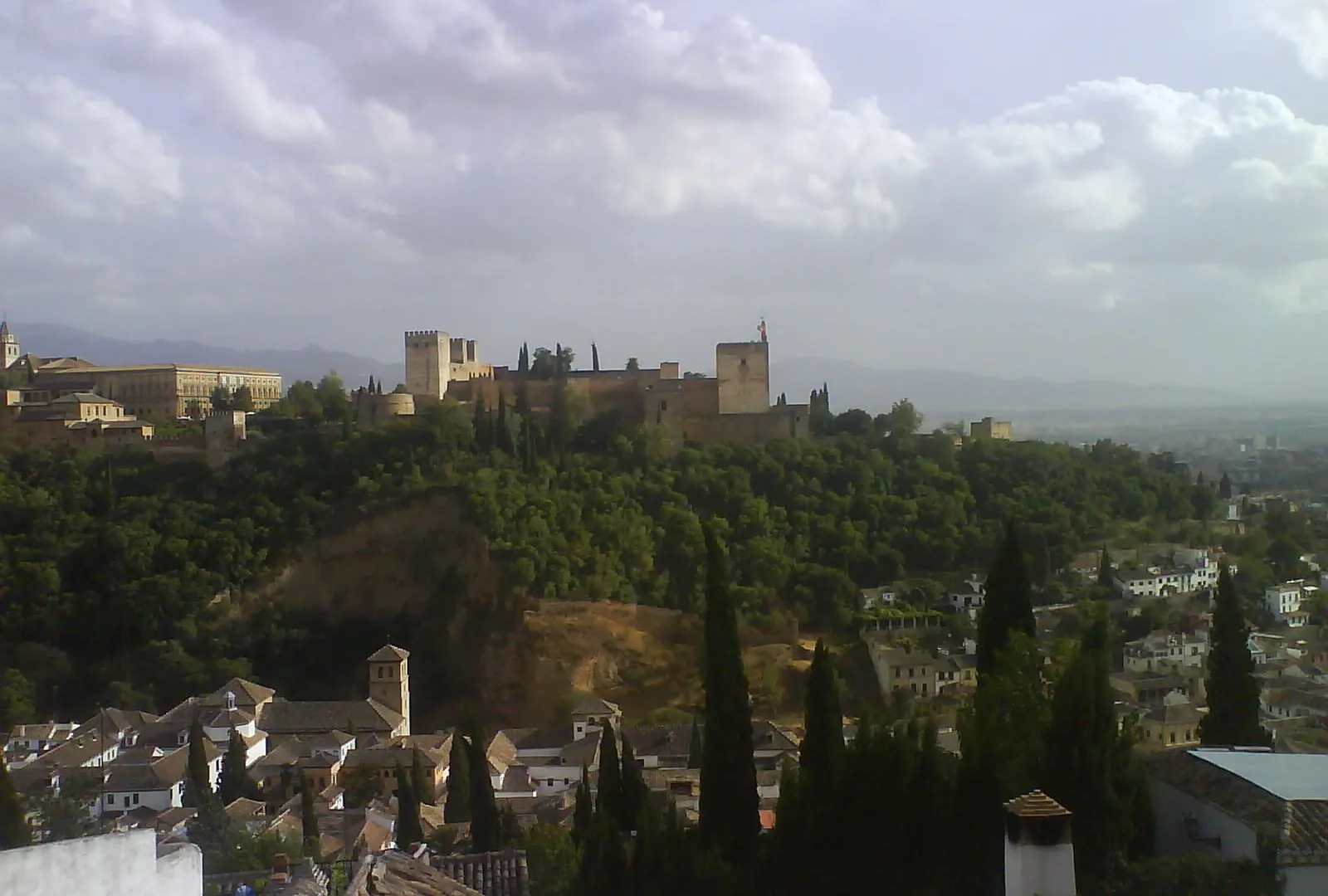
The neighborhood the Arabs called Garnata al-Yahud hides three secrets tourists almost never find: a 13th-century Nasrid palace with €2 admission, Granada's last public laundry in use until 1965, and the highest concentration of murals by Raúl Ruiz — the artist the world knows as El Niño de las Pinturas.

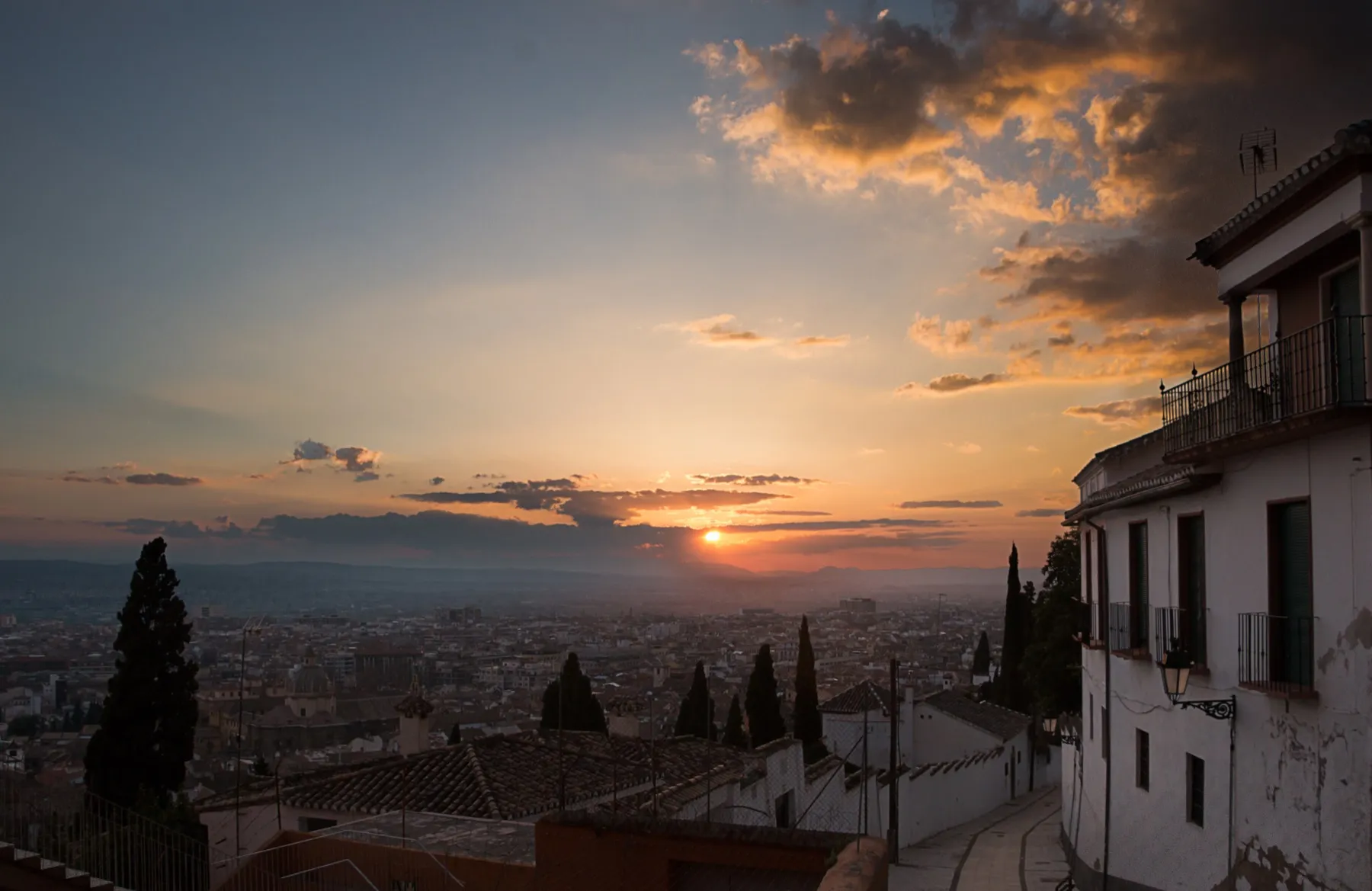
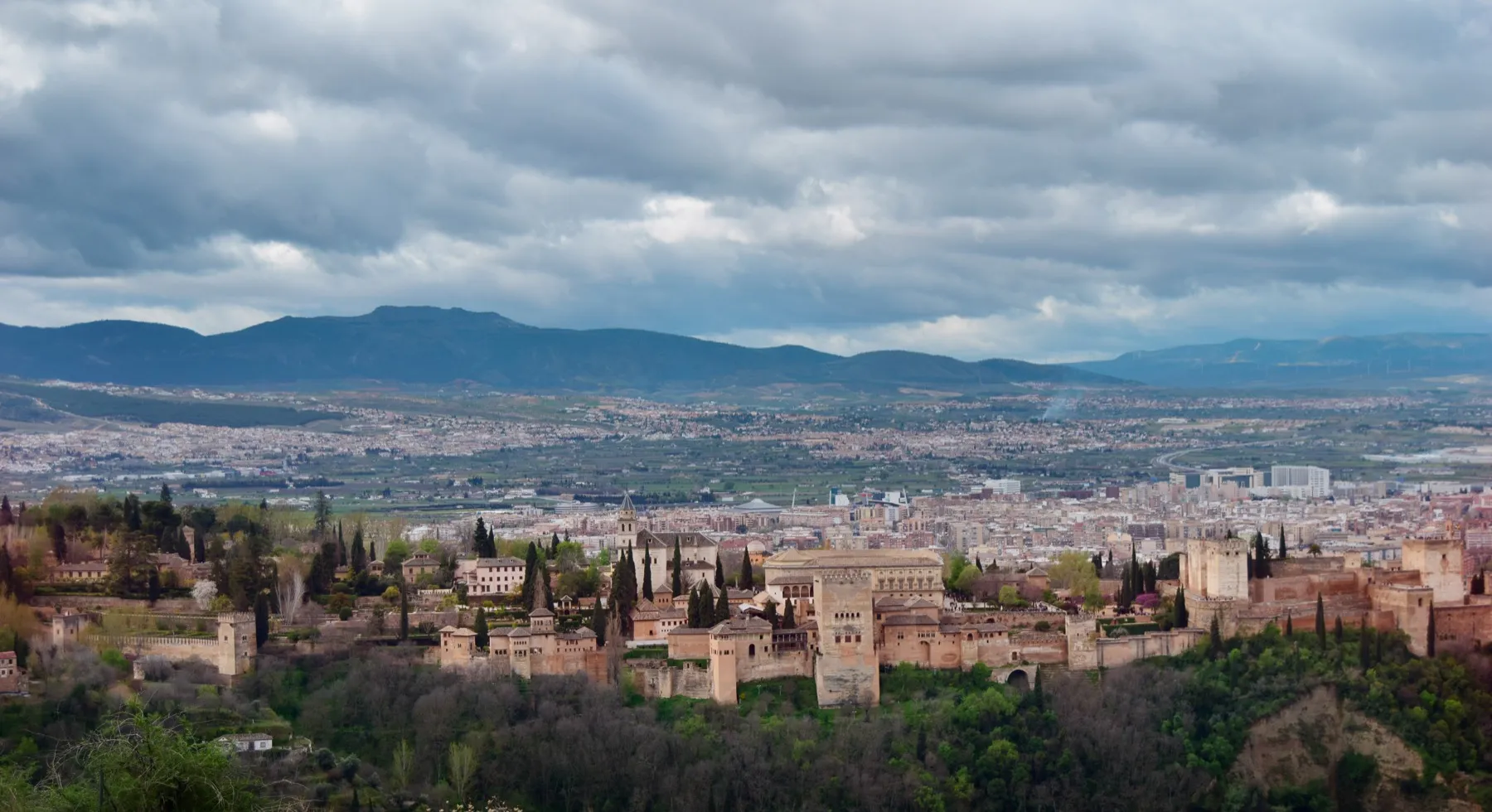
In Arabic the neighborhood was called Garnata al-Yahud: Granada of the Jews. The Jewish community of Granada had lived here for nearly fifteen centuries when on March 31, 1492, the Catholic Monarchs signed the Alhambra Decree from the palace itself, ordering the expulsion of all Jews from Spain. Within three months, the neighborhood stood empty. The Nasrids had called it Realejo — from the Arabic ar-Rabad al-Yahudi, suburb of the Jews — and that name survived the expulsion, the Renaissance, the Enlightenment, and the 20th century. Today the Realejo is one of Granada's most student-populated neighborhoods, a mix of authentic local life and archaeological traces that surface between buildings if you know where to look. The Cuarto Real de Santo Domingo is the most surprising: a 13th-century Nasrid salon that the Convent of Santo Domingo built around without demolishing, and which the city council has been restoring for decades with limited funding and limited publicity. A few meters away, the Lavadero de la Puerta del Sol is the last of the city's public laundries — collective spaces where neighborhood women hand-washed clothes — built in 1862 and closed in 1965 when running water in homes made them obsolete. And on Calle Molinos, Raúl Ruiz has spent 25 years painting the walls of the neighborhood where he lives with the faces that have made him famous worldwide.
Neighbourhoods:
02
[ ITINERARY ]

The itinerary

01

Cuarto Real de Santo Domingo — Plaza de los Campos, 6

A 13th-century Nasrid palace that the Granada city council has been quietly restoring in the shadow of the Convent of Santo Domingo. One of the few surviving Nasrid civil palaces outside the Alhambra. Most visitors walk through the square without knowing it exists. Listed as a national monument (BIC) since 1919, municipal property since 1990. Admission: €2 general, €1 reduced, free on Sundays. Hours: Tue–Sat 10:30–14:00 and 17:30–20:30, Sun 10:30–14:00. Mondays closed. Card payment only.

02

Lavadero de la Placeta de la Puerta del Sol

The only public laundry remaining in Granada. Built in 1862 — not in the 17th century as many guides repeat — on the site where the gate separating the Jewish quarter from the Mauror stood in the Zirí era (11th century). The six Tuscan marble columns from Sierra Elvira are not original: they came from the Santa Escolástica hermitage, demolished when the laundry was built. It functioned until 1965. The Arab-tile roof and wooden framework are the originals. Free entry. Nobody comes here.

03

El Niño de las Pinturas Murals — Calle Molinos

Raúl Ruiz was born in Madrid in 1977, grew up in the Zaidín, and has lived in the Realejo for over 25 years. Calle Molinos is where his most recognizable work is concentrated: figures of children and teenagers with emotion-charged expressions — fear, wonder, melancholy — accompanied by phrases that work as short poems painted directly on the wall. His murals are not in any museum and are not protected: some disappear. Campo del Príncipe, at the end of the street, is the neighborhood's tapas hub.

03
[ Recommendation ]

Local tips

Visit the Cuarto Real on a Sunday

On Sundays admission is free. It closes at 14:00, so arrive before 13:15. Tuesday to Saturday it also opens in the afternoon (17:30–20:30) — a good plan if you're passing through the neighborhood in the evening.

Card payment only at the Cuarto Real

The Cuarto Real de Santo Domingo does not accept cash. Bring a credit or debit card. On Sundays admission is free, so it doesn't matter.

The murals change

El Niño de las Pinturas' murals are not protected and some have disappeared or been repainted. Calle Molinos and the area around Campo del Príncipe are the most stable. If you go specifically to see a particular piece, it may no longer be there.

Free extension: Casa de los Tiros

A 5-minute walk away, on Calle Pavaneras, is the Casa de los Tiros — a 16th-century palace turned museum. Free entry for EU citizens; €1.50 for others. Hours: Tue–Sat 9:00–21:00, Sun 9:00–15:00. Mondays closed.

04
[ Practical information ]

Route information

Starting point

Cuarto Real de Santo Domingo, Plaza de los Campos 6. A 10-minute walk from the Cathedral or bus C2 to the "Plaza de los Campos" stop.

Ending point

Calle Molinos / Campo del Príncipe. From here take the C2 back to the center or continue walking toward Gran Vía in 15 minutes.

How to get there

The Realejo is a 10-minute walk from the center. Bus C2 runs through the neighborhood. By car, park at the San Agustín car park or in the Caleta area.

Estimated budget

€2 per person (Cuarto Real entry, free on Sundays). The rest of the route is free. Add €3 if you enter Casa de los Tiros.

Who is it for

Perfect for curious travellers looking for something beyond the Alhambra. Ideal for urban photographers, street art lovers, and those who want to understand Granada's historical layers. Not a route for those seeking famous monuments.

Accessibility

The Realejo's cobblestones are irregular but mostly flat. The Cuarto Real has ramped access. The laundry is in a pedestrian square.

Best time to visit

Afternoon light (16:00–18:00) is ideal for photographing the murals. The Cuarto Real opens in the afternoon Tuesday to Saturday. Sunday mornings the neighborhood is very quiet.

[ Tags ]
#secretos#realejo#judería#arte-urbano#nazarí#el-niño-de-las-pinturas#fotografía