Flamenco was born in Granada. Not in Seville, not in Jerez — even though everyone claims it. In the caves of Sacromonte, Granada's gitano community created an artistic language that the world took centuries to understand. Today, seeing flamenco in Granada can be the most powerful experience of your trip or the most disappointing, depending on a single decision: where you go.
This guide exists so you make the right choice.
The history most people don't know
In the 15th century, when the Catholic Monarchs took Granada and expelled the Moors and Jews, the gitanos — who had lived in the city for decades — found themselves trapped between two worlds. Marginalized, they settled in the caves on the northern slope of the Sacromonte hill, facing the Alhambra. There, blending their musical traditions with Andalusian song, Arabic rhythms and Sephardic lament, they created what we now call flamenco.
Sacromonte is not a tourist stage imitating something real. It's the actual place where that real thing happened. Many of the families who run shows in the caves today carry surnames — Carmona, Maya, Heredia, Montoya — that appear in the neighborhood's parish records from the 16th century.
The problem: authentic vs tourist flamenco
Granada receives millions of visitors a year. Flamenco is one of the most-sold tourist products, which has created a parallel market of shows designed to last exactly 45 minutes, have good lighting for photos, and charge €35 per person.
It's not that those shows are bad. It's that they're not what people who want to understand flamenco are looking for. For that, you need to climb higher and know which cave to enter.
Signs of a tourist show: fixed price prominently listed on Google, exact duration announced upfront (45 min, 1h), access via travel agencies or tourist bus, venue with stadium seating and raised stage, drink included in ticket price, recorded background music before it starts.
Signs of something genuine: reservations by phone or walking up, real cave with rock walls, performers from the owner's family, the show starts when the singer is ready (not on the dot), they can run longer if the energy is right, audience seated on the ground or on wicker chairs in no particular order.
Sacromonte's caves: where to go
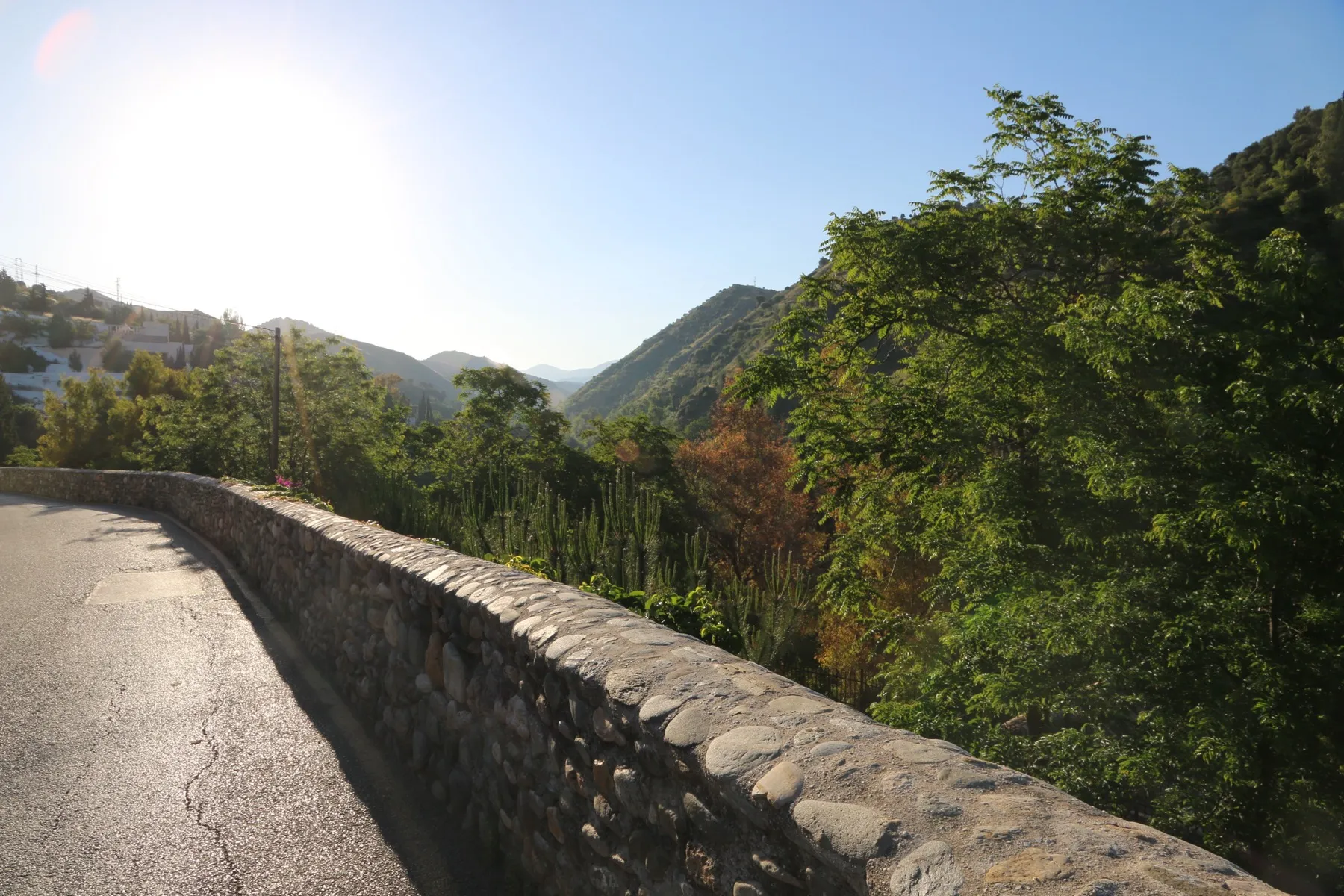
Camino del Sacromonte is the neighborhood's main road. Caves with shows are concentrated in the first and second section, going up from Paseo del Padre Manjón. Most have a plaque at the door with the family's name.
Cueva de la Rocío
One of the most respected in Sacromonte. The Carmona family has been in the same spot for generations. The space is small, the cave is real, and the performers are family. No corporate website, no online booking button — you call or you show up. Estimated price: €25-30 with a drink.
Cueva de María la Canastera
Historic. María la Canastera was one of the most important gitano bailaoras (flamenco dancers) in 20th-century Granada. Her cave still operates as a family flamenco space. The name isn't marketing — it's a real surname. Book in advance, especially during high season.
Cueva del Sacromonte (Venta El Gallo)
The largest and most organized in the neighborhood. Slightly more commercial than the ones above, but maintains quality performers and the setting is genuinely authentic. Price: €30-38. Has a website and accepts online bookings. If you're unsure where to go, this is the safest option for a quality show.
Palacio de los Olvidados (City Centre)
Not a cave — a 16th-century palace in the historic centre. Flamenco here is excellent, with top-tier artists, but the atmosphere is formal tablao: seats, stage, everything very ordered. For those who prefer comfort and guaranteed quality without climbing to Sacromonte. Price: €18-25.
The peñas: where locals go
If you want to see flamenco the way Granadinos do, the path is the peñas. These are cultural associations where flamenco isn't a show but a gathering. Cheap or free entry, normal bar drinks, and the one singing is the aficionado who's been cultivating the art for thirty years.
Peña La Platería
Founded in 1949, it's the oldest active flamenco peña in Spain still operating in its original location. It's in the Realejo neighborhood, at Placeta de Toqueros. Friday and Saturday nights usually have performances or gatherings. Entry is €3-8. No reservations, no fixed schedule: you go, and if there's energy, you stay.
Peña El Taranto
Active in the Zaidín neighborhood. Less well-known to tourists but very respected among enthusiasts. Programs occasional performances. Requires a bit more initiative to find the calendar, but the experience is completely different from any tablao.
The International Festival of Music and Dance
Every year in June and July, Granada holds one of the world's most important flamenco festivals. The main venue is the Teatro del Generalife, inside the Alhambra grounds: imagine watching a solea dancer perform with the illuminated fortress behind her. Tickets sell out within hours. If your trip overlaps with June-July, buy as soon as the box office opens — the festival is usually announced in March.
Getting to Sacromonte at night
Sacromonte isn't dangerous, but it is dark and steep. Here are your realistic options:
- Taxi or Uber: most comfortable. A taxi can get nearly to the cave door. Price from the centre: €6-8. For the return trip at midnight, ask the driver for their number or use the app.
- Walking from Albaicín: from Plaza Nueva, follow the Darro river up Camino del Sacromonte. About 20-25 minutes at a good pace. Beautiful at night, but wear decent shoes and don't stare at your phone.
- Bus C34: goes from Plaza Nueva to Sacromonte on specific days and times. Check the schedule on the Transportes Rober website (night frequency is low).
For the return: if it's 11:30pm and you're midway up Sacromonte, a taxi is the practical solution. The night bus has limited stops.
Minimum glossary so you're not lost
You don't need to know flamenco to enjoy it, but a few basic terms help you understand what's happening:
- Palo: each musical style in flamenco. Soleares, siguiriyas, bulerías, tangos... there are over fifty. Siguiriyas are the deepest and most dramatic; bulerías the most festive.
- Cante: the singing. The cantaor or cantaora is the centre of flamenco, not the dancer. In pure flamenco, the cante leads.
- Toque: the guitar. The tocaor accompanies, responds, and sometimes leads. The flamenco guitar has a drier, more percussive sound than classical.
- Baile: the dance. In Sacromonte, the gitano style is especially expressive in arms and torso.
- Duende: untranslatable. It's the moment when art overflows technique and something inexplicable happens in the room. García Lorca described it better than anyone in his 1933 lecture. When you feel it, you'll know.
- Olé / Así se canta: the jaleo — the audience's shouts that encourage the artist. They're not decorative — they're part of the music.
Prices and what they include
So you can plan:
- Family caves (Sacromonte): €20-30, generally with one drink included. The show lasts as long as it lasts.
- Venta El Gallo: €30-38 with a drink. More space, more structured show.
- Centre tablaos (Palacio de los Olvidados): €18-25 without a drink. The venue and artists justify it.
- Peñas: €3-8 or free. No guaranteed schedule or programme.
- International Festival of Music and Dance: €18-45 depending on the show. Buy online, they sell out.
When to go: best time of year
Flamenco in Granada runs year-round, but some moments are special:
- June-July: the International Festival. Best programme of the year, but hotels and tickets book up months in advance.
- Holy Week (Semana Santa): special atmosphere citywide. Peñas have extra activity.
- October-November: low tourist season. Caves have fewer people and the atmosphere is more intimate. Same price, more personal experience.
- August: completely packed. Book at least a week ahead for any cave.
The recommended plan
If it's your first time in Granada and you want to experience authentic flamenco, here's the plan:
- Start the afternoon at the Sacromonte Museum (Barranco de los Negros, 9). It explains the history of the neighborhood, the caves and gitano culture better than any guide. Open until 7pm in high season. Entry: €5.
- Walk up Camino del Sacromonte. Look at the caves from outside, read the signs, see which nights they have shows.
- Have dinner before the show — caves usually start between 9:30 and 10pm. Sacromonte has simple bars; for a proper meal, head down to Albaicín or Plaza Nueva.
- Choose a family cave (Rocío, María la Canastera) and call that afternoon to confirm the time and book. Don't improvise in August.
- After the show, if you still have energy: Plaza Nueva at midnight has a scene, and some city-centre bars have occasional flamenco musicians on weekends.
A note on attitude: in a Sacromonte cave, keeping your phone away is the clearest sign of respect. They're not performing for your Instagram story — they're doing what their family has done for centuries. If you want photos, ask at the end. Most won't mind, and the gesture makes all the difference between tourist and guest.